SEO and PPC: the difference, how to combine them and how to measure
SEO gets you into the regular search results for free, PPC puts you at the top with ads. Together they are stronger than apart. This guide shows the difference, where they help each other, when ads on your own brand name are wasted and how to measure fairly what it brings.

By Fabiano · updated November 26, 2026 · 7 min read
SEO (search engine optimization) and PPC (paid search ads) work best together. Google research across more than 400 accounts showed that on average 89% of ad clicks do not come back through the regular results when you stop the ads. If you already rank first organically, it is still 50% on average. Ads on your own brand name often bring the least, so test them separately. Share data both ways: search terms from Google Ads feed your content, Search Console shows where ads can fill gaps.
1The difference
What is the difference between SEO and PPC?
SEO and PPC are both about being found in Google, but they work differently. The difference lies in paying, speed and what happens when you stop.
SEO
organicYour pages earn a place in the regular search results. A click costs nothing, but rising takes months, and Google decides the order.
PPC
paidYour ads appear above or below the regular results. You pay per click, you show up from day one and you choose the search terms yourself. Stop paying and you disappear.
What they share
sharedThe same searcher, the same results page and often the same landing page. A page that answers the question well helps both.
Where they clash
watch outIf you already rank at the top for a search term, an ad can take over clicks you would have had for free. That applies mainly to your own brand name.
AbbreviationsSEA stands for search engine advertising; in English this is usually called PPC or paid search. SEM is the umbrella term for both.
2Why together
Why SEO and PPC bring more together
The question every advertiser asks: if I rank well organically, am I not paying for clicks I would have had anyway? Google studied this with more than 400 accounts that temporarily paused their ads (Google, Search Ads Pause Studies).
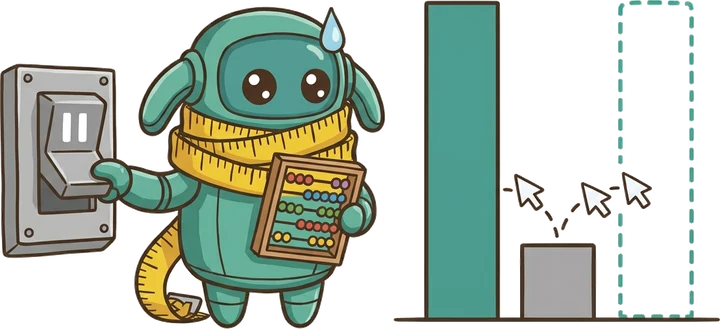
Most ad clicks are extra
On average 89% of ad traffic did not come back through the regular results when the ads were off. That was high in every sector.
Often you are not there organically at all
For 81% of ad impressions the same site was not on that page organically. There, an ad is the only way to be seen.
An ad helps even at position 1
When the site ranked first organically, on average half of the ad clicks were still incremental. At lower positions it was more.
But not on every search term
At eBay, ads on its own brand name brought no measurable short-term benefit: people searching for ‘eBay’ arrived anyway (NBER).
Read it honestlyThe Google research is by Google itself and dates from 2011 and 2012. The eBay study is about one of the best-known brands in the world. Your numbers lie somewhere in between. That is why I measure it per account, see step 6.
3Sharing data
Sharing data both ways
The biggest benefit of working together is data. Google Ads and Search Console each see a different side of the same searcher. Here is how to use them both ways.
Link Search Console to Google Ads
Then Google Ads gives you the paid and organic report: per search term you see whether you appeared with an ad, organically or both. The report only counts text ads, not Shopping.
Find terms where you only appear organically
Filter on search terms without ad impressions. If they sit on page 2 or lower and are valuable, an ad fills the gap while SEO grows.
Use the search terms report for your content
The Google Ads search terms report shows which words people really type and which lead to a purchase. Terms that convert well deserve their own page or their own block on a page.
Test copy with ads first
An ad shows within a few weeks which headline and which benefit appeals most. You then use the winner in your page title and meta description.
Share your exclusions
Search terms you exclude in Google Ads because they bring nothing don't need an SEO page either. That saves writing.
SourceThe approach with the paid and organic report comes from Google Ads Help (Google Ads Help).
4Your own brand name
Advertising on your own brand name: yes or no?
Ads on your own company name are often the cheapest clicks in an account. They are also the easiest to overestimate, because those searchers usually know you already.
Do advertise
often usefulWhen competitors bid on your name, when you want to show an offer that is not in your regular result, or when you don't rank first for your own name.
Look critically
test itWhen you rank first organically, no competitors advertise and your ad says the same as your regular result. Then you are probably buying clicks you already had.
Not sure? Turn the brand campaign off for a few weeks and compare total clicks and sales, paid and organic combined. See the next step.
5Who does what
An SEO and PPC strategy: who does what?
Who does what depends on where your site stands. A few fixed roles help keep SEO and PPC from working past each other.
New site or new offer
PPC firstYou don't rank organically yet. Ads bring visitors right away and show which search terms sell. That list then becomes the basis for SEO.
Strong organic rankings
PPC on the gapsAdvertise mainly where you are weak organically, on new products and in busy periods. Test your brand name separately.
Rankings drop
PPC coversIf an important page drops, for example after a core update, an ad keeps traffic up while you calmly find out what is going on.
Shared landing pages
bothOne good page per topic that answers the question and loads fast. That raises your Quality Score in Google Ads and helps your organic ranking.
Together with BobI do the SEO part together with freelance SEO specialist Bob Crombag. He handles technical SEO, content and authority, I handle the ads and measurement. That way we work from one list of search terms instead of two.
6Measuring fairly
How to measure what ads really add
Pick a search term or campaign
Start with the question that costs money and where you already rank well organically, usually your brand name or a few top products.
Set a period
At least two to four weeks, without holidays, promotions or big site changes in that period.
Turn the ads off
Only for those search terms. Or turn them off in part of the country and keep them on in the rest, so you have a comparison group.
Add everything up
Compare total clicks and sales, paid plus organic, with the period before. Get organic clicks from Search Console, paid from Google Ads.
Work out the extra share
If almost everything came back through organic, the ads on those terms were worth little. If the total fell back a lot, they really brought something.
Decide per search term
Turn back on what adds value, leave off what was replaced, and repeat the test after a few months or when competitors start bidding.
NoteDon't run such a test just before or during Black Friday and the holidays. Demand swings too much to conclude anything.
Free first scan
Want to know where your ads and SEO get in each other's way?
In the scan I put your ads next to your organic rankings and show on which search terms you pay twice and where you don't appear at all. Together with Bob we look at the SEO side. The first scan is free.
Frequently asked questions
What is the difference between SEO and PPC?
SEO gets your pages into the regular search results for free; it takes time and Google decides the order. PPC is paid ads above or below those results; you show up right away, but only as long as you pay.
Which is better, SEO or PPC?
Neither is always better. PPC gives fast traffic and data, SEO builds traffic you don't pay per click for. Most businesses get the most from a combination, with the split depending on how strong you already are organically.
Do ads cost me organic clicks?
Sometimes a part. According to Google research, on average 89% of ad clicks remained incremental, and 50% when you ranked first organically. For your own brand name it can be much less. So measure it yourself with a pause test.
Should I advertise on my own company name?
Yes if competitors bid on your name or you want to show an offer. If you rank first organically with no competitors in the ads, test whether the clicks are really extra by pausing the campaign for a few weeks.
How do I use Google Ads data for SEO?
Check the search terms report for terms that lead to purchases and give them their own page or block. Use winning ad copy in your page titles. Link Search Console to Google Ads to see where you only appear paid or only organically.
What is the paid and organic report?
A report in Google Ads that shows per search term whether you appeared with an ad, organically or both. You need a Search Console account linked to Google Ads. It only counts text ads.
What do SEO, SEA and SEM mean?
SEO is search engine optimization, SEA is search engine advertising and SEM is the umbrella term for both. In English, SEA is usually called PPC or paid search.
Sources
- Google, Incremental Clicks Impact of Search Advertising (2011)
- Google, Impact of Ranking of Organic Search Results on the Incrementality of Search Ads (2012)
- Google Ads Help, about the paid and organic report
- Blake, Nosko and Tadelis, Consumer Heterogeneity and Paid Search Effectiveness (NBER, eBay)
Updated on November 26, 2026.
Keep reading
Freelance Google Ads specialist
Google Ads managed for profit, with twelve years of experience.
Freelance SEO specialist
Freelance SEO specialist Bob Crombag: more than ten years of SEO at iProspect and DEPT, with SEOmotion since 2017.
LLM SEO and ChatGPT ads
The same idea in ChatGPT: being named in the answer and advertising below it.